Gear Notes
Layering For Cold Morning Runs
October 5, 2026 · Noah, Running coach
October is when run club gets smaller. It isn't the dark that stops people; it's the first cold morning when they dress wrong, freeze for ten minutes, then overheat for forty. Layering fixes that, and it is simpler than the outdoor shops make it look.
The Rule
Dress for the second kilometre, not for the doorstep. If you feel comfortable standing outside your front door, you will be too warm by the end of the street. You should feel slightly cold for the first five minutes. Your body is a heater; give it a minute to switch on.
Three Layers, Used Selectively
You rarely need all three at once. Think of them as a toolkit and pick by the thermometer and the wind.
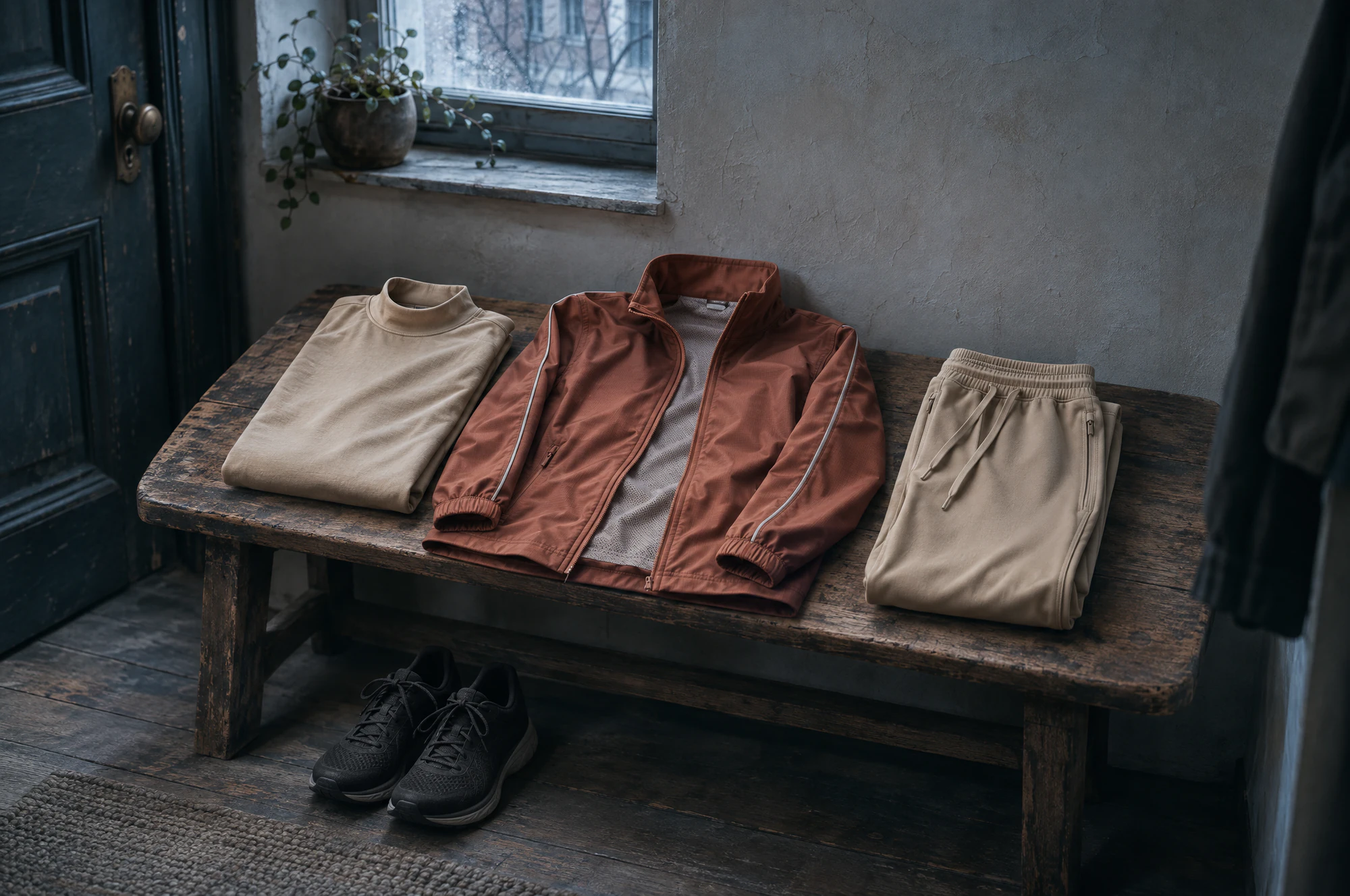
- Base layer. A close-fitting long sleeve that moves sweat away from your skin. Cotton holds water and turns cold the moment you slow down; a technical base layer doesn't.
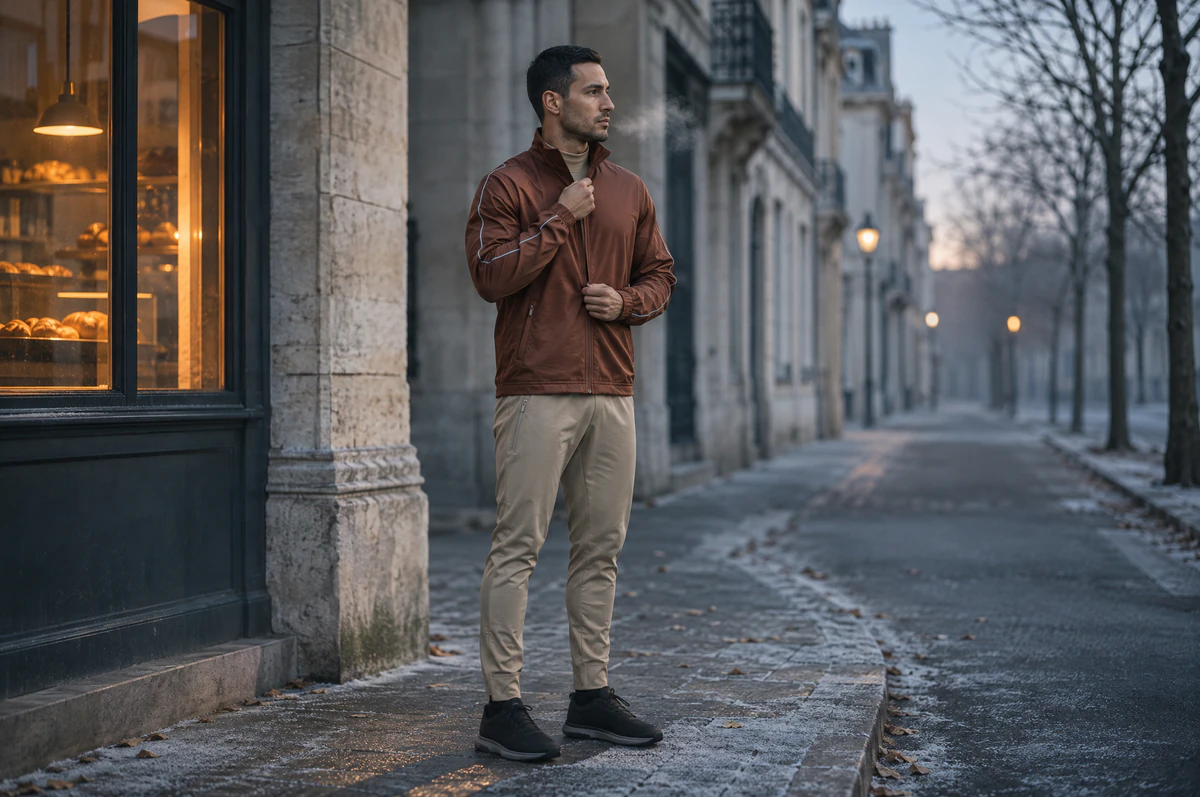
- Shell. A light jacket that stops wind and light rain. It doesn't need to be warm — the base layer does that. It needs to be thin enough to unzip, roll up and carry.
- Legs. Shorts down to about eight degrees, then tights or track pants. Your legs work hard and generate heat; most people overdress them before they need to.
Roughly: above twelve degrees, a T-shirt. Eight to twelve, a base layer or a light jacket. Below eight, both. Below zero, add gloves and a hat before you add a thicker jacket. Hands and ears go first.
Be Seen
Cold mornings are dark mornings. Wear something reflective on the parts that move — wrists, ankles, the back of the jacket — because drivers notice movement before shapes. Run facing the traffic on roads without pavement, and choose lit streets for the first weeks of winter.
After The Run
Change out of wet layers within ten minutes. A run in the cold is fine; standing around afterwards in a damp shirt is how people catch a chill. Keep dry pants and a warm top by the door, or in the bag if you run to the gym.
Start a little cold. If you're warm at the door, you'll be carrying your jacket by the second kilometre.— Noah, running coach
Our Running Jacket weighs 180 g, shrugs off light rain and packs into its own pocket; the Base Layer Long-Sleeve wicks sweat and stretches four ways; and the Track Pants zip open at the ankles, so they go on and off over your shoes. Saturday, eight o'clock — the cold is better in company.