
Fuel
A Training Day In Four Meals
October 12, 2026 · Amara, Strength coach
People ask what to eat around training as if there were a secret. There isn't. There are four meals, eaten at sensible times, with protein in every one. This is what a normal training day looks like for me when I coach at seven in the evening.
The Principle
Spread your protein through the day instead of saving it for dinner, eat carbohydrate before you train rather than after you collapse on the sofa, and don't arrive at a session starving or stuffed. Everything else is detail. If you only change one habit, make it protein at breakfast — it is the meal most people skip it in.
The Day
Quantities depend on your size and goals; the shape of the day is what matters.
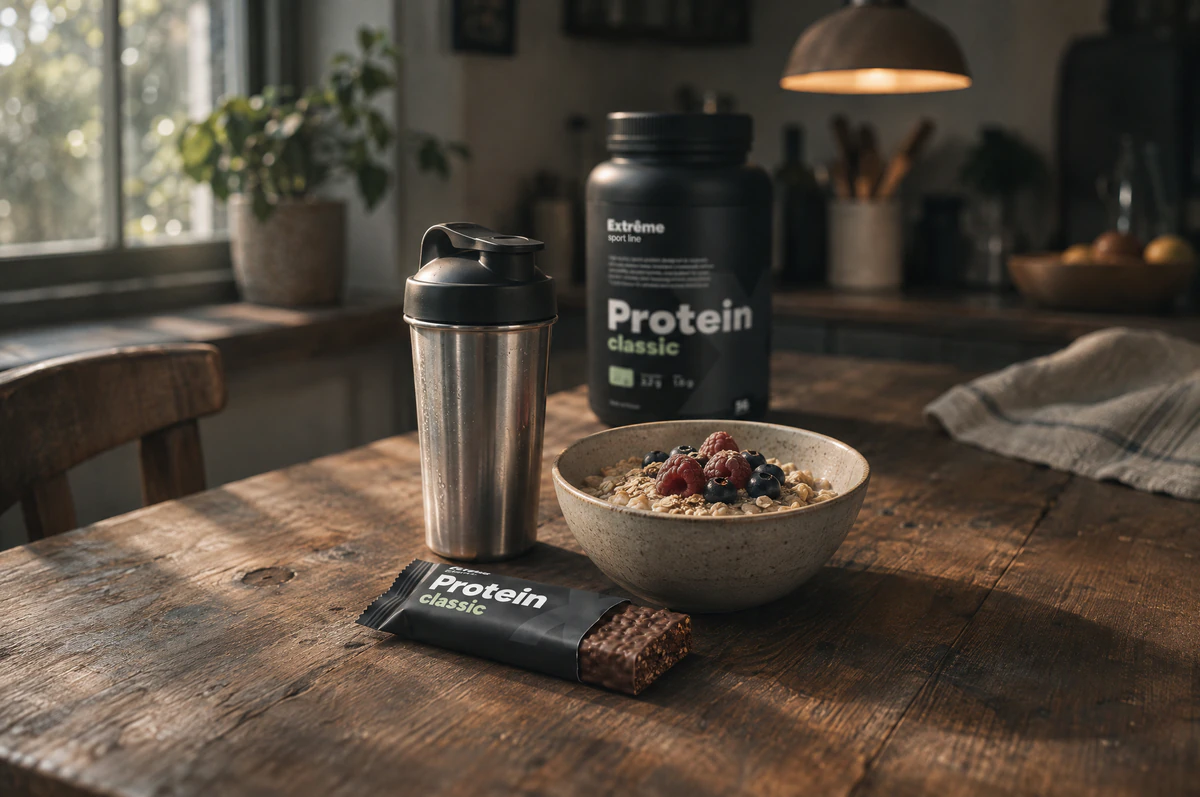
- Breakfast, 7:30. Oats cooked in milk, a scoop of whey stirred in at the end, a handful of berries. Around 35 g of protein before the day has started.
- Lunch, 12:30. Something you would eat anyway — rice, chicken or tofu, a lot of vegetables, olive oil. Protein again, and enough carbohydrate to carry you through the afternoon.
- Before training, 17:00. A protein bar and a piece of fruit, or a yoghurt with honey. Small, easy to digest, two hours before the session.
- Dinner, 20:30. The biggest meal: potatoes or pasta, fish or beans, more vegetables. You have earned the carbohydrate; it refills what the session used.
On Days You Don't Train
Keep the protein, shrink the portions of carbohydrate a little, and keep eating vegetables like it's a job. Rest days are when you recover, so they are not the days to starve. Most of the people I coach don't eat too much — they eat too little protein and too much at the wrong moment.
Plan the week's protein on Sunday — a tray of chicken or lentils, a box of boiled eggs, a pot of yoghurt in the fridge — and the four meals almost assemble themselves.
The Evening
I take magnesium with dinner on heavy weeks, mainly because it fits the routine. It's not magic and it won't fix a short night, but it is part of how I close the day: food, a walk, screens off, bed. Sleep is the fourth meal nobody counts.
Eat like you plan to train again tomorrow — because you do.— Amara, strength coach
You don't need a meal plan with grams on it to start. Put protein into breakfast with a scoop of Whey Protein, keep a Protein Bar Box at work for the afternoon gap, and if you like an evening routine, add Magnesium with dinner. Then look at your week, not your day.