Fuel
How Much To Drink When You Train
August 10, 2026 · Noah, Running coach
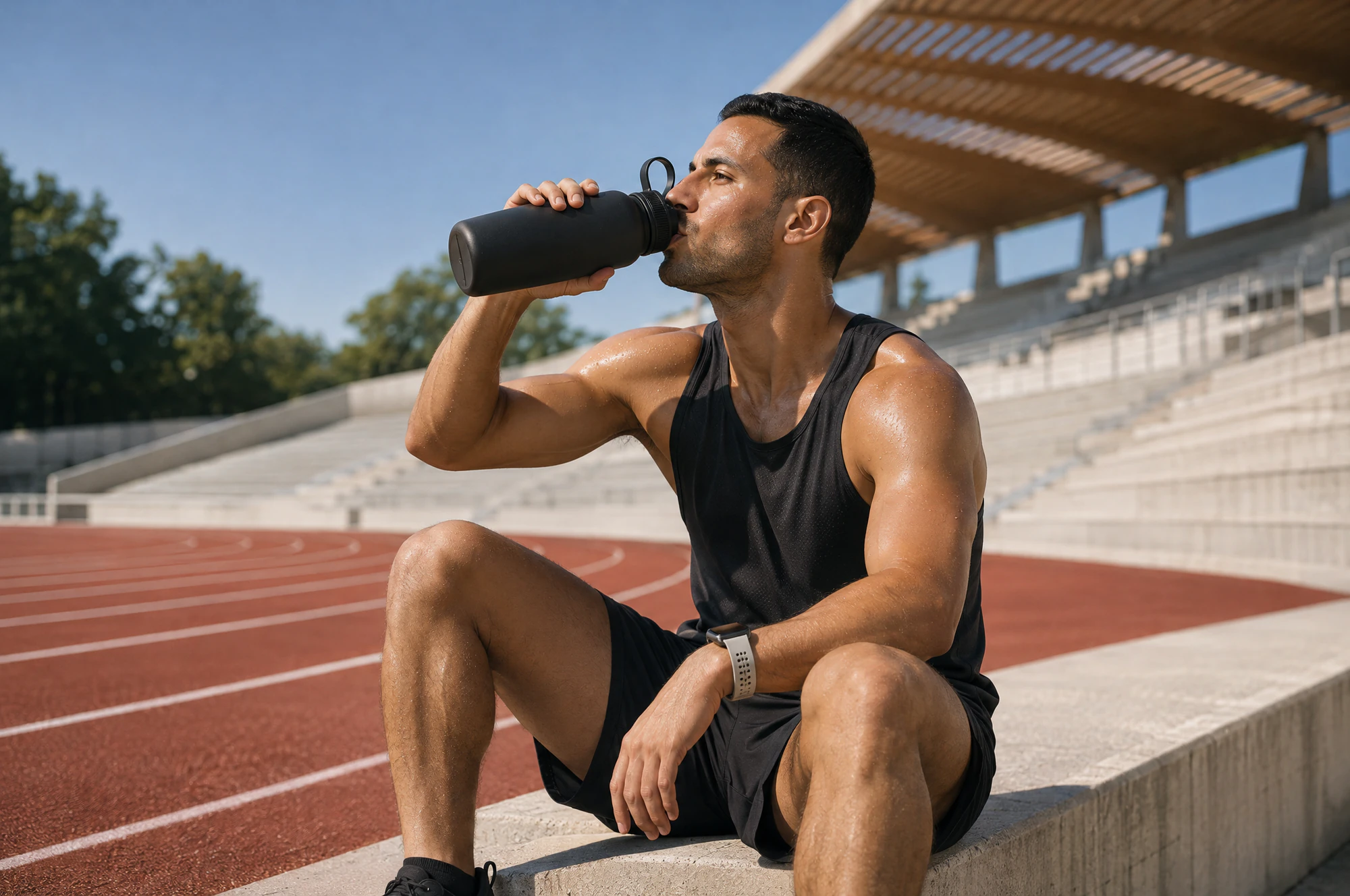
In August the most common thing I see at run club isn't a bad stride — it's people starting a long run already thirsty. Hydration isn't complicated, but it does need a little planning, especially in the heat.
Start Topped Up
Most of the work happens before you train. Drink steadily through the day so your pee is pale yellow, not clear and not dark. Have a glass or two of water in the two hours before a session. Arriving dehydrated is the one mistake you can't fix halfway through a run.
During The Session
How much you need depends on the heat, the length and how much you sweat — and people differ a lot. These rules cover most training.
- Under an hour, cool weather: sip water if you're thirsty. Most people don't need anything else.
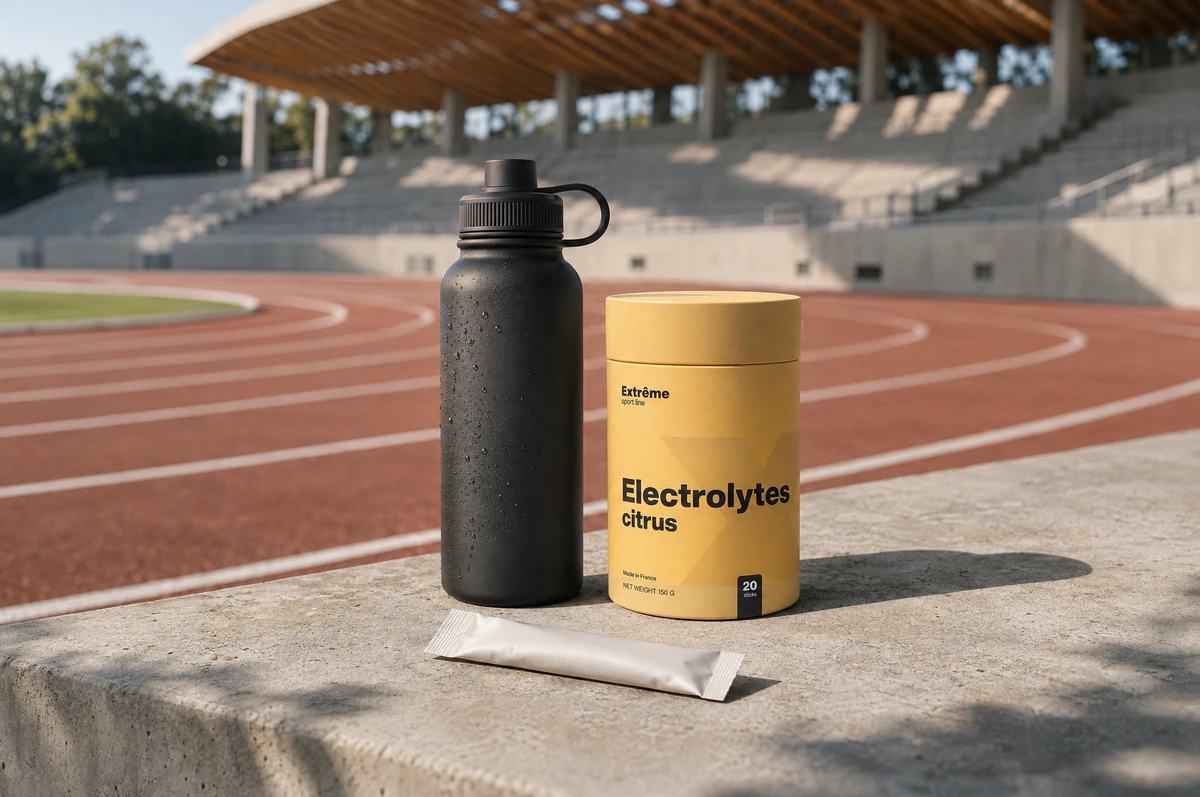
- Over an hour, or in the heat: drink regularly, a few mouthfuls every fifteen to twenty minutes, and add electrolytes to at least one bottle.
- Heavy sweaters: if you finish with white salt marks on your cap or shirt, you lose more sodium than most — electrolytes matter for you even on shorter sessions.
- Don't force it: drinking far more than you sweat is risky too. Thirst is a good guide when you're healthy.
Winter doesn't let you off. You still sweat in the cold, you just notice it less, and cold air is dry, so you lose water with every breath. Take the bottle on long winter runs too — and keep the electrolyte sticks in the bag, not the kitchen drawer, or they stay at home.
Weigh Yourself Once
If you want to know your own numbers, weigh yourself before and after an hour's run, without clothes. Every kilogram lost is roughly a litre of sweat you didn't replace. Do it once in summer and once in winter, and you will know how much you need far better than from any chart. Aim to replace it over the next few hours with water, food and some salt — not all at once.
After Training
Drink with your next meal and with your recovery shake. Food contains a lot of water and salt on its own. A shake mixed with water, milk or juice counts too.
The bottle you forgot at home is the reason your last five kilometres felt like ten.— Noah, running coach
The Hydro Bottle Universal holds a litre and keeps it cold through the longest day; our Electrolytes are five minerals in a sugar-free stick; and the Shaker Lux is steel, so the recovery shake never tastes of plastic. Fill up the night before.